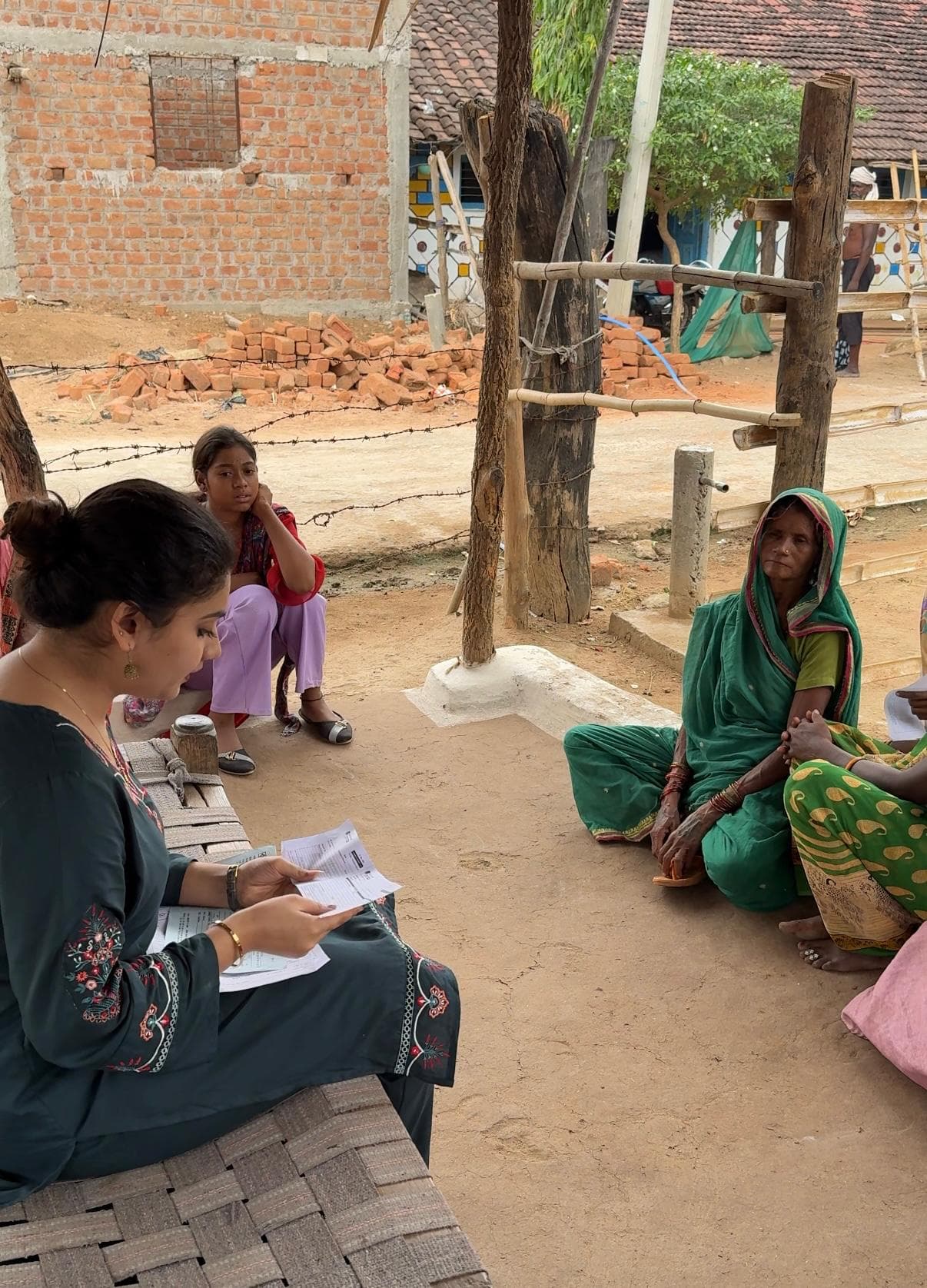
Wonder Women with UPI: A Field Note from Faridabad
On an automotive factory floor in Faridabad, women who handle precision machines with confidence still hesitated when it came to using UPI. DigiSakhi turned this hesitation into learning by designing short, shift-friendly sessions that connected digital payments to concepts they already understood—process control, safety checks, and verification. Through ₹1 practice transfers, scam-awareness drills, and simple rules like never sharing PINs or OTPs, the women began using digital money with confidence, proving that unfamiliarity, not inability, is the real barrier.

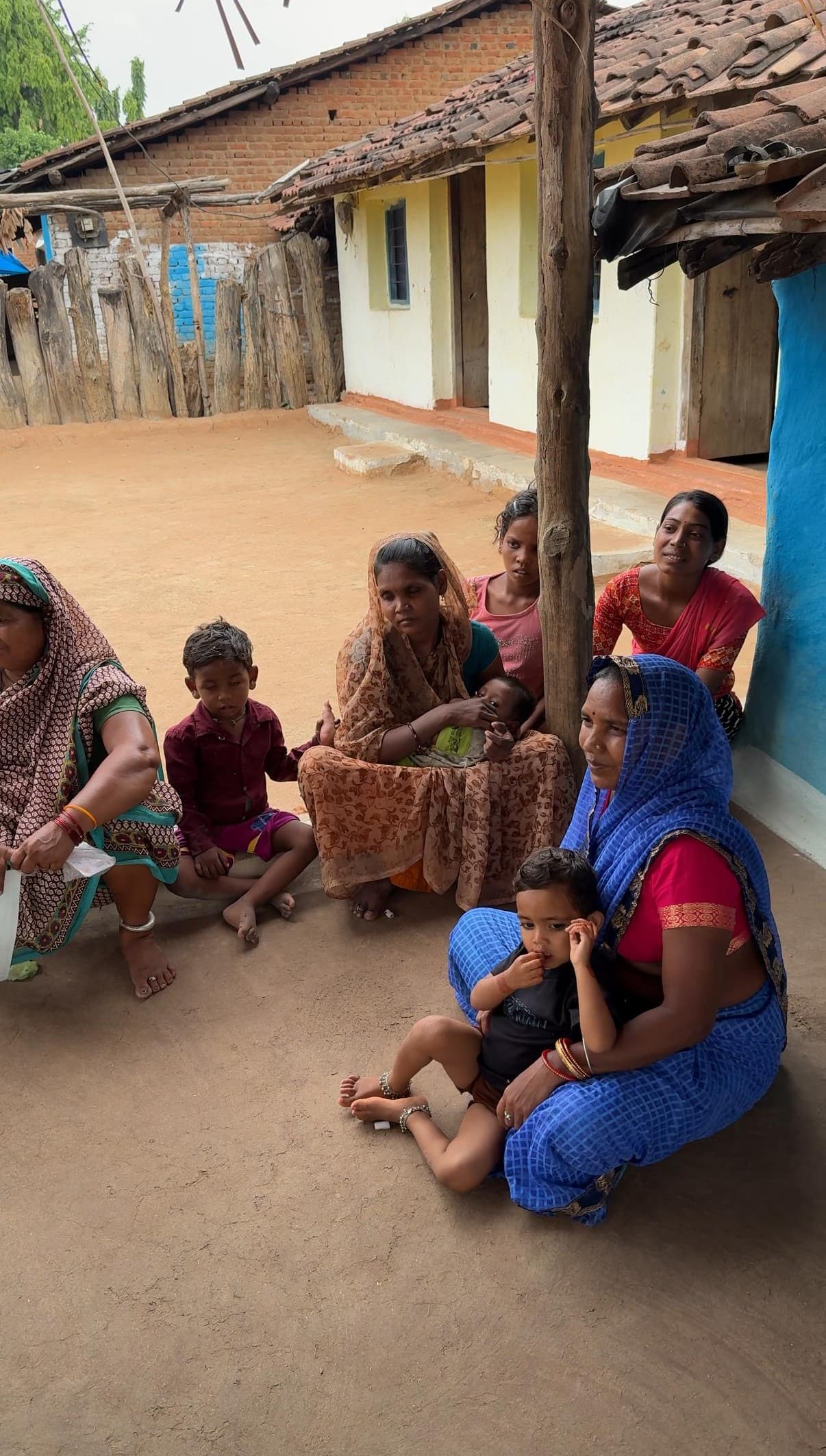

The clatter of the automotive line in Faridabad is its own language, CNC heads biting into metal, gauges ticking true. The women I met there speak that language fluently. They read microns the way most of us read moods: quickly, accurately, without fuss. And yet when we stepped off the shop floor to talk about UPI, a different hesitation appeared, as if the phone screen were somehow trickier than a 5-axis mill.
“Galti se paise kahin aur chale gaye toh?” (What if the money accidentally goes somewhere else?) one operator asked, wiping coolant from her gloves. Another pointed to the canteen QR: “Scan to Pay dekha hai, par kabhi kiya nahin.” (I’ve seen ‘Scan to Pay,’ but I’ve never actually used it.) It wasn’t a lack of ability these are women who program offsets and catch chatter marks with their ears. It was a lack of trust and familiarity with the flows behind a glowing button.
So we redesigned the session for a factory’s rhythm—short, sharp, and shift-friendly.
We met in the ten-minute gap between tool changes. No lectures. We started with two parallels they already knew: tolerance and process control.
PIN is your machine lock—kabhi share nahi (never share it).
OTP is a one-time inspection code—ek baar ka code, phir kaam khatam (valid once, then done).
Unknown links? Like an unverified toolpath: aap run nahi karte (you do not run it).
Then we practiced with the smallest possible stakes. A ₹1 transfer from my demo account to theirs and back again. Balance check. A test recharge. We mapped each step to a process sheet: Open → Verify → Enter PIN in private → Confirm → Observe Result → Log. The operator who first rolled her eyes at “apps” ended up teaching the next person, tapping the confirm screen like a cycle-start button. When the first ping landed, the smile looked exactly like it does when a part hits tolerance on the first try.
Safety was our non-negotiable. We showed how official customer-care numbers live inside the app, not on Google; how refunds work when a payment is “pending”; how to lock UPI instantly if a phone is misplaced. We ran a three-line chant till it felt like muscle memory:
“PIN/OTP kabhi share nahi.” (Never share your PIN or OTP.)
“Unknown links kabhi click nahi.” (Never click unknown links.)
“Numbers sirf official app se.” (Use phone numbers only from the official app.)
Heads nodded; a supervisor listening from the door nodded too.
By the end of two short huddles (one per shift), nearly everyone had completed at least one real task on her own phone. A few linked payroll accounts they’d never opened in their app before; one scanned the canteen QR with visible delight, no cash line today. The pride wasn’t loud, but it was solid, like a well-clamped workpiece.
I left with the whir of spindles in my ears and a reminder in my notes: complex work isn’t the barrier; unfamiliar work is. These women already live in a world of precision and consequence. Give them a clear map, a small practice run, and respect for their time—and they move through digital money like they move through metal: steady, exact, capable.
Next we’ll set up a fortnightly micro-clinic in the break room: ten-minute slots, quick PIN resets, scam-drill refreshers, and an HR-backed helpline number on every noticeboard. The canteen vendor, meanwhile, has promised to keep his QR laminated and visible. Tiny fixes. Big throughput.
On the factory floor, a good day is when the first part is a good part. In Faridabad, our first rupee was a good part and that’s how habits begin.
DigiSakhi Team
We are a grassroots initiative running free digital banking workshops across rural India.
You might also like
DigiSakhi Partners with Indian Bank for Women’s Financial Literacy
A step toward making digital banking simple, safe, and accessible for women through financial literacy and confidence-building.

Promoting Financial Literacy in India: Advancing DigiSakhi’s Mission for Women’s Financial Empowerment
Financial literacy in India is no longer just about opening bank accounts; it is about helping people, especially women, understand and confidently use financial tools. Despite progress through government schemes and digital banking, many women still face barriers such as low awareness, language gaps, mistrust, digital fear, and limited decision-making power. DigiSakhi aims to bridge this gap by making financial and digital literacy simple, practical, and accessible, empowering women to make informed choices and turn financial access into real independence.